Select your Language
Please, select a language for this page
Frequently Asked Questions
Find the answers to common questions about our hearing implants and devices.

General Questions
Find out more about hearing loss, as well as answers to common questions about hearing implants.
Hearing implant systems help restore hearing to individuals who don’t receive sufficient benefit from hearing aids.
A hearing implant system is the combination of an internal implant and an external audio processor. There are different types of hearing implants—such as a cochlear implant, middle ear implant, or bone conduction implant—designed for different types of hearing loss.
Learn more about the different types of hearing implant systems.
Although both hearing aids and hearing implants are designed to improve an individual’s hearing, a hearing implant is fundamentally different from a hearing aid.
A hearing aid only amplifies sound from outside your ear, which may not be effective if you have more severe hearing loss.
A hearing implant brings the sound directly to the inside of your ear, which enables more effective transmission of sound signals. Hearing implants can help individuals who can’t benefit from hearing aids.
If you have moderate-to-profound hearing loss, you may be a candidate for a hearing implant. A hearing specialist will be able to tell you more about your specific circumstances. If you’d like to learn more about the right hearing solution for you, just get in touch using our contact form and we’ll put you in touch with a hearing specialist in your area.
For children with severe-to-profound hearing loss, success is more likely if they are implanted at a young age. In a child’s first few years, the brain is especially ready to learn language and adapt to a hearing implant. In many cases, when children with profound hearing impairment are implanted early enough, their hearing and speech can develop in a manner similar to that of their peers without hearing loss.
Age of implantation is dependent on the minimum age indicated for the specific implant, the individual patient, and the advice of your doctor. If you have not consulted a hearing specialist yet, please fill out our simple contact form and we’ll help you get in touch with a hearing specialist in your area.
There is no upper age limit for receiving a hearing implant. Many of our recipients are older adults who have enjoyed a renewed quality of life after having their hearing restored.
Learning to use your restored sense of hearing is a process. Willingness to participate in rehabilitation programs to develop listening skills is important for candidates at any age.
Metal detectors or security screening devices will not affect the function of your implant. However, because the implant contains metal components, MED-EL will provide you with a recipient ID card to use at security checkpoints.
Yes, individuals with hearing implants can lead active lives with few restrictions. Your doctor or hearing professional is the best resource for individualized information.
We generally support and recommend the use of a helmet in situations where a helmet is normally used. It is important to protect the implanted area from a direct impact. Waterproof WaterWear covers should be used with the audio processor when taking part in water sports. Remove the audio processor before playing on plastic playground equipment that can generate high levels of static electricity.
MED-EL hearing implant systems are state-of-the-art, but new advances in sound processing and other technology are being developed all the time. With a simple fitting to update the external audio processor, you can upgrade to the latest technology without undergoing additional surgery.
These easy-to-upgrade systems allow MED-EL hearing implant users to take advantage of the latest innovations—both now and in the future.
If you’d like to learn more about receiving a MED-EL hearing implant system, fill out our simple contact form and we’ll put you in touch with a hearing specialist in your area. With a few routine assessments, your hearing specialist can find the right hearing solution for you.
Hearing Implant Systems
Want to know more about one of our hearing implant solutions? Pick an implant system for more information.
A cochlear implant is a small electronic device that is designed to restore hearing to people with severe-to-profound hearing loss. It does this by bypassing damaged parts of the ear. A cochlear implant consists of an internal part, which is implanted, and an external audio processor, which sits close to the ear.
Cochlear implants work by turning sound into electrical signals that stimulate the inner ear. First, the external audio processor picks up sounds, which it sends to the internal implant. The implant then stimulates the inner ear (cochlea) using electrical signals. The brain interprets these signals as sound.
The latest cochlear implant from MED-EL is the SYNCHRONY 2 cochlear implant. In addition to older processors, it works with MED-EL’s latest audio processors, RONDO 3 and SONNET 3, to give the best possible hearing experience. It’s known for its long-term reliability, great sound quality, and outstanding MRI safety.
MED-EL cochlear implants are proven to offer the closest to natural hearing of any cochlear implant system. This means a richer, fuller hearing experience and the ability to enjoy music as well as the fine details of everyday conversations.
We are also the only cochlear implant company to offer cochlear implants that are individualized to your ear. This is possible because we offer electrodes for every length of cochlea, as well as anatomy-based fitting, which tunes these electrode contacts to the personal anatomy of your ear.
Other advantages of MED-EL cochlear implants include long-term reliability and outstanding MRI safety, including a lifelong MRI guarantee.
Advantages of cochlear implants include improved understanding of speech and sound which in turn help improve communication skills, safety, and quality of life. For babies born with hearing loss, cochlear implants can help them meet developmental milestones.
Downsides include common risks related to surgery generally, along with the effort and motivation needed for rehabilitation.
Cochlear implants are a specific type of hearing implant that have an electrode array, which is inserted into the cochlea. Other types of hearing implants include bone conduction implants, middle ear implants, and auditory brainstem implants. Each of these hearing implants is designed to help with a different type of hearing loss. Cochlear implants are most often used to treat severe-to-profound sensorineural hearing loss.
Use our clinic finder to find a hearing specialist, hospital, or MED-EL office in your local area.
A hearing aid is a non-surgical device that amplifies sound. It is a very common solution for people with mild and moderate hearing loss. A cochlear implant system works very differently. Instead of amplifying sound, it uses an implant and audio processor to bypass the damaged cells in the inner ear. A cochlear implant requires surgery and is suitable for people with severe-to-profound hearing loss when a hearing aid is not effective.
The cost of a cochlear implant varies from country to country. In many countries, the cost is fully or partially covered by the national healthcare system. For detailed information on cochlear implant costs in your country, please contact your local MED-EL team.
In many countries, the cost of a cochlear implant is covered by the national healthcare system. In addition, private health insurances also often cover the cost of cochlear implants. For detailed information on insurance coverage for cochlear implants, please contact your local MED-EL team or your health insurance provider.
Cochlear implant surgery is a routine procedure that has been done hundreds of thousands of times. It is low-risk and minimally invasive and is not considered to be a major surgery. You can sometimes return home the same day, although your clinician might recommend a one-night hospital stay for observation.
Cochlear implant surgery has a very high success rate. Only about 0.2% of recipients reject the implant, and only about 2% might need to be reimplanted in the first few years.
MED-EL leads the way in cochlear implant reliability with a cumulative survival rate of over 99%. You can read our full, transparent reliability data here.
Cochlear implant surgery is done under general anesthesia, so you won’t feel pain during the procedure itself. It’s normal to experience some mild-to-moderate pain around your ear as you recover from surgery. You can take regular painkillers to help manage this discomfort.
Most people recover from cochlear implant surgery within one or two weeks. As with any surgery, it’s important to rest for the first few days. You should avoid heavy lifting and strenuous exercise for two to four weeks after the operation.
You should avoid forcefully blowing your nose until your medical team says it’s okay. This is because the nose and the ears are connected by the Eustachian tube. If you need to sneeze, try to keep your mouth open to minimize pressure.
You can usually fly one to two weeks after surgery. Some clinicians advise waiting longer. It’s best to check with your medical team if you need to fly soon after the operation.
Hearing with a cochlear implant can sound different depending on the type of cochlear implant you have as well as individual factors, such as residual hearing and duration of hearing loss. But MED-EL’s cochlear implants are designed to offer closest to natural hearing, helping sounds feel fuller. You can read more about closest to natural hearing here.
Absolutely! Many MED-EL cochlear implant users report enjoying listening to music with a cochlear implant. In fact, some MED-EL cochlear implant users are even musicians themselves. Learn more about how our cochlear implants are designed to help you get the most out of music.
To enjoy music with a cochlear implant, you’ll need one that offers closest to natural hearing. MED-EL’s cochlear implants mimic the way our ears naturally work, helping you hear every tone and the fine details of sounds. Learn more about music appreciation with a cochlear implant here.
Electroacoustic stimulation technology is a type of hybrid hearing implant that uses hearing aid technology for low tones and cochlear implant technology for high tones. It is designed to help people with high-frequency hearing loss hear the full range of sound.
Electroacoustic stimulation combines cochlear implant technology with hearing aid technology. This means you can make the most of your remaining hearing of low-pitched sounds, while taking advantage of CI technology to hear high-pitched sounds. It’s an ideal solution for people with high-frequency hearing loss as it makes it possible to hear the full range of sounds. This makes it easier to chat with friends, enjoy music, and communicate in everyday life.
EAS is designed for individuals who have been diagnosed with partial deafness, which is minimal-to-moderate sensorineural hearing loss in the low frequencies sloping to a profound hearing loss in the higher frequencies.
Residual hearing is the natural hearing that remains even if a person has hearing loss. EAS candidates have significant residual hearing in the low frequencies, which allows them to benefit from acoustic stimulation. Using your residual hearing gives you optimal sound quality.
MED-EL cochlear implants use exceptionally flexible electrode arrays that are specifically designed to not damage the delicate structures of your cochlea. This helps you to keep as much residual hearing as possible after surgery.
SONNET 3, a BTE audio processor from MED-EL, features integrated EAS support. This means EAS recipients can enjoy all of the benefits of the SONNET 3 audio processor. DUET 2, SONNET 2, and SONNET are other EAS audio processor options.
Bone conduction implants are a type of hearing solution that uses bone conduction technology to bypass the damaged parts of the ear. They work by picking up sound with an external audio processor and sending it to the implant. The implant vibrates the skull, which sends sound straight to the inner ear.
Bone conduction implants offer a number of advantages over bone conduction hearing aids, including:
- Better sound quality
- More comfort (less pressure on the skin)
- A more discreet appearance
Recovery from bone conduction implant surgery depends on the type of bone conduction implant. Full recovery for active transcutaneous systems such as BONEBRIDGE typically takes two to four weeks. Other systems, such as BAHAs, can take considerably longer.
During the first few days after surgery, make sure to rest and allow your body to heal. Avoid lifting heavy objects for at least two weeks after the procedure.
Bone conduction implant costs vary from country to country. In many places, public healthcare covers all or part of the expense. For exact details in your area, get in touch with your local MED-EL team.
Both cochlear implants and bone conduction implants are surgical hearing solutions. However, they use a different type of technology and are suitable for different types of hearing loss.
Cochlear implants are for sensorineural hearing loss. In this type of hearing loss, the hair cells in the inner ear no longer work. A cochlear implant stimulates the inner ear, sending sounds to your brain.
Bone conduction implants help with conductive hearing loss. In this type of hearing loss, sound can’t travel through the outer or middle ear, but the inner ear works normally. The implant works by vibrating the skull, bypassing the blocked or nonfunctioning parts of the ear, and sending sound directly to the inner ear.
No. The tiny mechanical vibrations of the bone conduction implant are so small that you won’t feel them.
BONEBRIDGE is designed for superior wearing comfort. Conventional bone conduction, or bone-anchored, hearing aids work in two ways. Some have an "abutment"—a small metal screw protruding through the skin, which the audio processor snaps on to. The skin around this screw is unable to ever heal completely, putting you at risk of skin infections and other complications. As BONEBRIDGE is implanted completely under the skin, this risk is not there.
Alternatively, a bone conduction hearing aid presses against the head using strong pressure, to allow the sound vibrations to travel through the skin to the bone. This constant high pressure can also cause skin problems, as well as headaches. With BONEBRIDGE’s unique design there is no pressure on the skin, making it much more comfortable to wear all day long.
If you’d like to find out if BONEBRIDGE is the right solution for you, you can experience bone conduction hearing prior to implant surgery. This is done with the aid of non-surgical bone conduction devices, which are positioned on the skin behind the ear. The sound quality of these devices may not be identical to that of BONEBRIDGE, but they will give you a good impression of what hearing with bone conduction is like.
Yes! Recipients of BONEBRIDGE may undergo MRI scans as long as certain safety conditions are met. In fact, it's covered by our one-of-a-kind MRI guarantee.
Please contact your MED-EL representative for additional information regarding the particular conditions of your MRI scan.
Recipients may undergo X-ray or CT scanning without restrictions.
The implant is typically activated 2–4 weeks after the surgical procedure. The audio processor can be fitted as soon as any minor swelling of the scalp, caused by the surgery, has subsided.
You can wear your audio processor as long as you wish. Most users wear it all day. However, it should be removed before you shower, bathe, or go to sleep.
You’ll simply place your SAMBA 2 audio processor over the implant site to begin using it for the day. Depending on usage, you will normally need to replace the battery approximately every 8–10 days.
If you’re interested in BONEBRIDGE, please contact a clinic near you. A team of hearing professionals will assess the type and degree of your hearing loss and determine if BONEBRIDGE is a suitable treatment option for you.
Middle ear implants are designed for people with mild-to-severe sensorineural hearing loss, conductive hearing loss, or mixed hearing loss. They work by mechanically vibrating the middle ear structures to send sound directly to the inner ear. There are two types of middle ear implants:
- Passive middle ear implants: These are surgically implanted prostheses that replace the bones in the middle ear.
- Active middle ear implants: These consist of an external audio processor and an implant that vibrates the bones in the middle ear.
VIBRANT SOUNDBRIDGE is a middle ear implant system designed to restore hearing to individuals with mild-to-severe hearing loss. VIBRANT SOUNDBRIDGE consists of an external audio processor and an internal middle ear implant. It is suitable for adults and children aged five years and older.
Sounds from the environment are picked up by the microphones of the SAMBA 2 audio processor. These sounds are converted into electrical signals, which are transmitted to the implant. The mechanical portions of the implant vibrate the structures of the middle ear. These vibrations can be amplified and adjusted for different degrees of hearing loss.
Middle ear implants deliver sound directly to the middle ear, making sounds stronger and clearer than most traditional hearing aids. Middle ear implants also avoid some of the problems associated with hearing aids, such as feedback and discomfort.
Active middle ear implants, such as SOUNDBRIDGE, are for indications of mild-to-severe sensorineural hearing loss, conductive hearing loss, or mixed hearing loss. They are suitable for people aged five and older.
BAHA stands for “bone-anchored hearing aid” and is a type of bone conduction implant. It consists of a small implant with an abutment that connects through the skin to a sound processor. This sound processor captures and sends vibrations to the implant, which vibrates the skull. They are a solution for people with conductive hearing loss.
Middle ear implants like SOUNDBRIDGE have a different design, without an abutment. They use an external audio processor, which picks up sound and sends it to the implant. The implant vibrates the bones in the middle ear, which send sounds to the cochlea. They are suitable for people with mild-to-severe sensorineural hearing loss, conductive hearing loss, or mixed hearing loss.
The cost of a middle ear implant differs from one country to another. In some regions, national healthcare systems or insurance cover the cost. For country-specific details, please reach out to your local MED-EL representative.
Hearing aids only increase the volume of sound reaching the eardrum and don’t vibrate the middle ear structures directly. VIBRANT SOUNDBRIDGE provides a clearer signal to the inner ear by directly vibrating the middle ear structures. Also, unlike a hearing aid, VIBRANT SOUNDBRIDGE doesn’t obstruct the ear canal.
VIBRANT SOUNDBRIDGE sends sound signals to the inner ear by mechanically vibrating the middle ear structures directly. VIBRANT SOUNDBRIDGE is designed for individuals with mild-to-severe sensorineural hearing loss, mixed, or conductive hearing loss.
In contrast, a cochlear implant sends sound signals to the cochlea in the inner ear by electrically stimulating the auditory nerve directly. A cochlear implant is intended for individuals with severe-to-profound sensorineural hearing loss.
Direct-drive technology sends sound signals directly to the middle ear with mechanical vibrations. VIBRANT SOUNDBRIDGE is a direct-drive device that uses a Floating Mass Transducer to precisely vibrate the structures of the middle ear. The design of VIBRANT SOUNDBRIDGE allows for implantation without surgical alteration of the middle ear.
The tiny Floating Mass Transducer, the part of the implant which is attached to the middle ear structure, is smaller than a grain of rice. The SAMBA 2 Audio Processor is approximately 3 cm in diameter and only 1 cm thick.
The procedure to implant VIBRANT SOUNDBRIDGE takes approximately 1–2 hours. Recipients are often back on their feet the next day. The hospital stay is usually one or more days, depending upon local practice.
As with any surgery, there are potential risks to implantation. However, the risks involved with the implant surgery are low and are comparable to other ear surgeries. Please consult your doctor for further information on possible risks.
Recipients of the latest generation of VIBRANT SOUNDBRIDGE (VORP 503) may undergo an MRI as long as certain safety conditions are met. In fact, the VORP 503 implant is covered by our one-of-a-kind MRI guarantee.
Please contact your MED-EL representative for additional information regarding the particular conditions of your MRI scan.
Recipients may undergo X-ray or CT scans without restrictions.
Yes, a hearing aid can be worn temporarily after the implant surgery. Once minor swelling from surgery has subsided, a hearing aid can be used until the audio processor is activated approximately 6–8 weeks after surgery. After your audio processor is activated, you’ll no longer need a hearing aid in the implanted ear.
While VIBRANT SOUNDBRIDGE is designed for an active lifestyle, certain activities are not advisable. Contact sports that could result in a direct impact to the implant area should be avoided because of the potential for damage to the internal portion of SOUNDBRIDGE.
Audio Processors
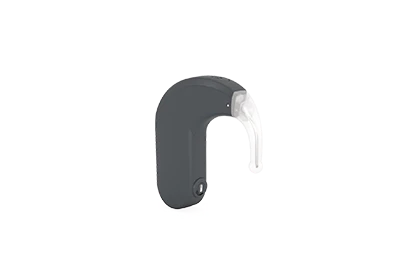
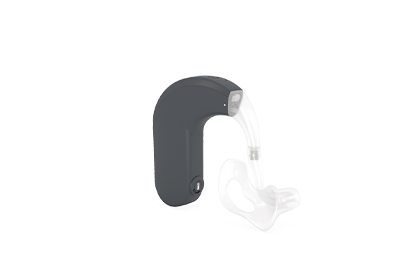
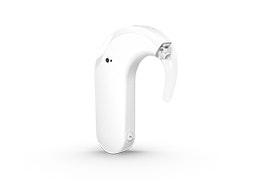
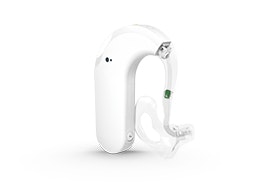
Have a question about one of our audio processors? Just pick a device to find out more.



Accessories
Have a question about one of our accessories? Just pick a device to find out more.

Still Got a Question?

About Cochlear Implants
Find a Cochlear Implant Clinic Near You
Pros and Cons of Cochlear Implants
Cochlear Implant Surgery
How Do Cochlear
Implants Work?
What Does a Cochlear
Implant Sound Like?
Cochlear
Implants and MRI
Can I Enjoy Music With a Cochlear Implant?
Children's Cochlear Implants
Cochlear Implants for Single-Sided Deafness
Product Reliability
Data


