Cochlear Implants
A cochlear implant is a hearing solution designed to help people with severe-to-profound hearing loss access sound. Unlike a hearing aid, which amplifies sound, a cochlear implant works by bypassing damage in the inner ear.

With a MED-EL Cochlear Implant You Can Enjoy:
Closest to Natural Hearing
Hear the full range of sound thanks to an implant that covers your whole cochlea.
An Individualized Solution
Reach your full potential with a cochlear implant tailored to your unique anatomy.
A Future-Ready Design
Benefit from future technology with upgradeable firmware and backwards compatibility.
What Is a Cochlear Implant and How Does It Work?
A cochlear implant (CI) is a medical device that helps people with severe-to-profound hearing loss understand sound. Cochlear implants work by bypassing damaged parts of the inner ear, using electrical signals to stimulate the auditory nerve.
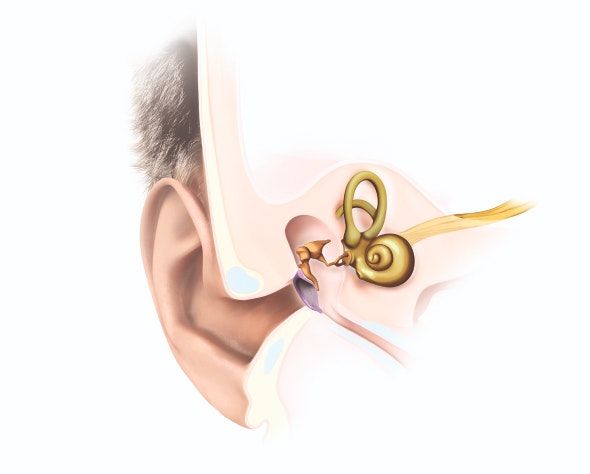
A cochlear implant system has two main components. There’s the audio processor, which is worn behind or off the ear. And then there’s the cochlear implant itself, which is placed just under the skin behind the ear.
How Hearing Works With a Cochlear Implant
- The audio processor picks up sound and sends it to the internal implant.
- The cochlear implant uses electrical pulses to stimulate the inner ear.
- The auditory nerve carries these signals to the brain.
Benefits of Cochlear Implants
Telephone calls, understanding conversations, and even enjoying music—cochlear implants help people with hearing loss reconnect with the sounds around them. But the benefits go beyond hearing. Cochlear implants can help you improve your confidence, independence, and social life. And they can even improve your everyday safety and quality of life, helping you hear traffic, fire alarms, and other warnings.
Choosing a cochlear implant is for the long term, so it’s important to get proper counseling and make an informed decision. We’ve put this guide together to help you understand the benefits and challenges of getting a cochlear implant.
- Understand speech in noisy environments
- Easily recognize and localize sounds
- Enjoy music
- Make phone calls with ease
- Have more confidence
- Experience improved safety and quality of life

“I can contribute to meetings with so much more confidence. I hear everything in the meetings and I’m so much more relaxed.”
Nandini
Cochlear Implant User and Audiologist

Who Can Get a Cochlear Implant?
Cochlear implants are for people with severe-to-profound sensorineural hearing loss. You could qualify for a cochlear implant if you have hearing loss in both of your ears (bilateral hearing loss) or in just one ear (single-sided deafness).
Signs that your hearing loss might be severe enough to qualify for a cochlear implant include no longer benefiting from hearing aids, struggling with phone calls, or relying heavily on lip-reading.
Cochlear implants are approved for babies as young as six months (seven months in the USA). There is no upper age limit for getting a cochlear implant. In fact, adults as old as 100 have received a cochlear implant!
Your audiologist or ENT specialist can help determine if a cochlear implant is the right solution for you or your child.
Suitable for babies six months and older
No upper age limit
Severe-to-profound sensorineural hearing loss in one or both ears
Little or no benefit from hearing aids

Discover how individualized cochlear implants help you get the most out of your hearing.
The SYNCHRONY Cochlear Implant System
Getting a cochlear implant system is a big decision. After all, it will be the foundation of your hearing for years to come. That's why our latest and most advanced cochlear implant system, SYNCHRONY, is built to give you the best hearing now and in the future.

Built for Superior Hearing Performance
It all starts with our closest to natural hearing philosophy. By mimicking natural hearing, SYNCHRONY gives you a richer hearing experience, better music enjoyment, and superior hearing performance. Combined with an audio processor that responds to different sound environments, the SYNCHRONY system delivers outstanding hearing performance wherever life takes you.
Because every ear is so unique, we have the world’s first and only individualized cochlear implant system. Your surgeon can pick the implant electrode array that best fits you. And your audiologist can tailor the fitting to your inner ear. This can make it easier to get used to your implant and can help you reach your full potential.

Designed for Your Future
Because we're dedicated to helping you hear throughout your lifetime, SYNCHRONY has upgradeable firmware and built-in memory designed to evolve over time. That means you can get future innovations with simple updates.
Personal settings are securely stored in the cloud, so they’re always protected and easy to access anytime and anywhere. And when we introduce new audio processors, we make sure they’re compatible with all our implants, so you can access the latest cochlear implant technology.
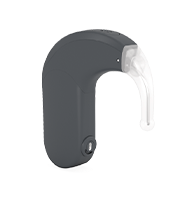
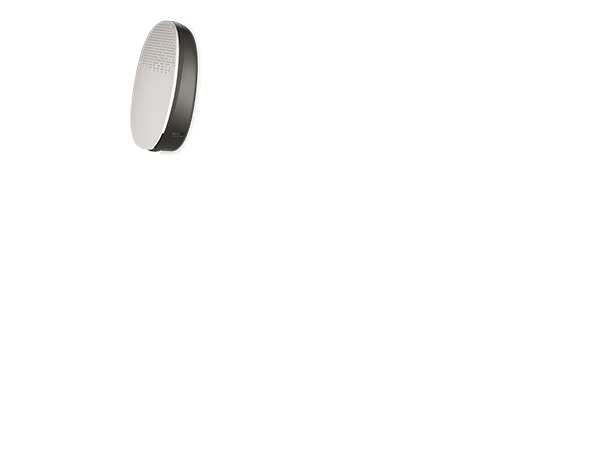
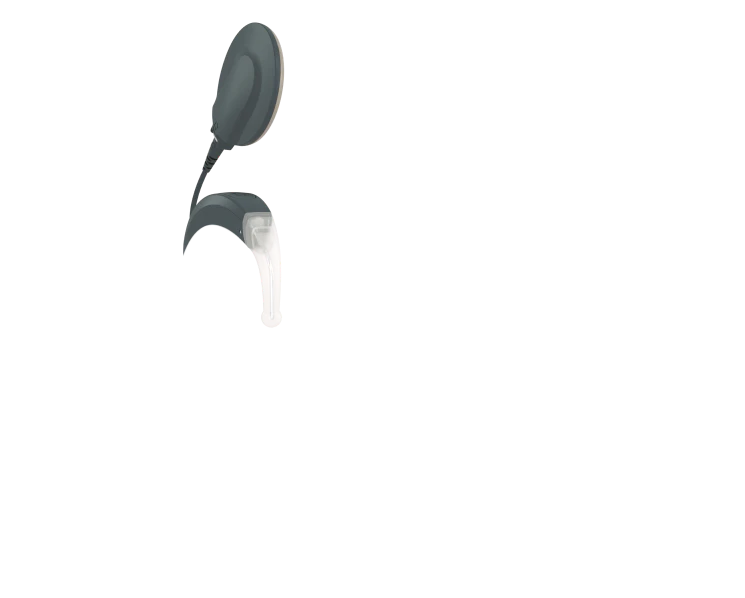
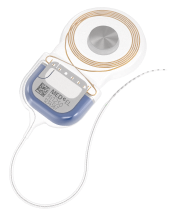
SONNET 3
Audio Processor
- Behind-the-ear design
- Integrated direct streaming
- Flexible battery options

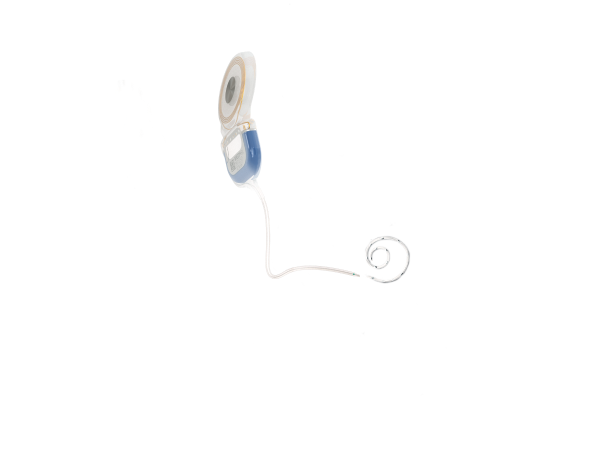
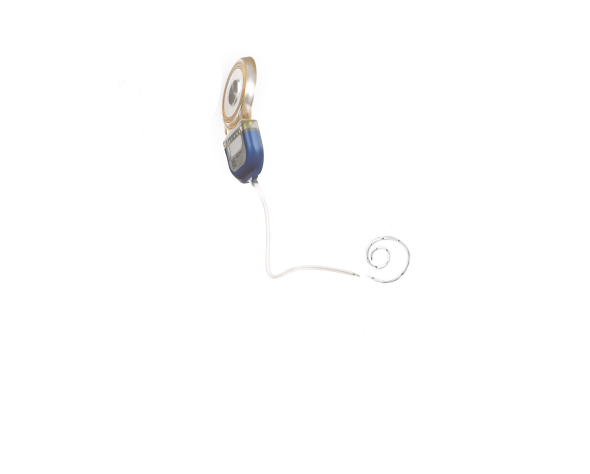
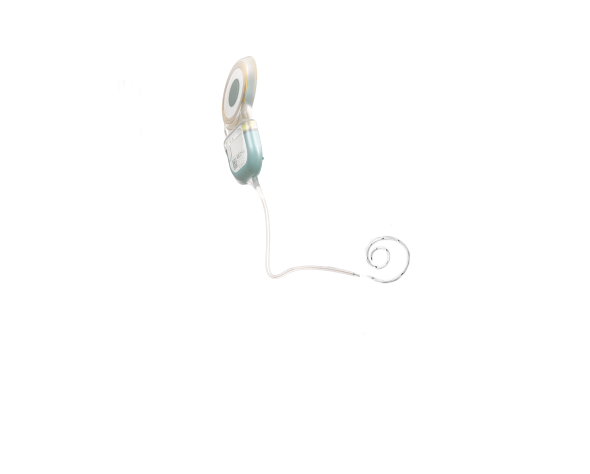
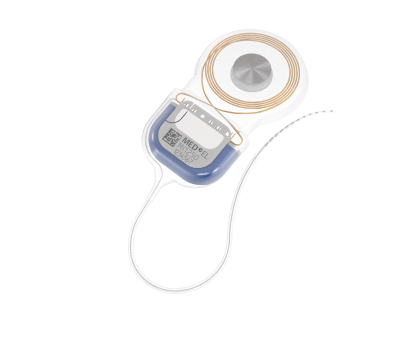
SYNCHRONY 2
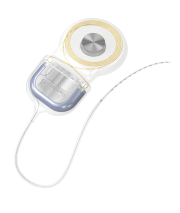
Cochlear Implant
- Individualized to your inner ear
- Closest to natural hearing
- Life-long hearing
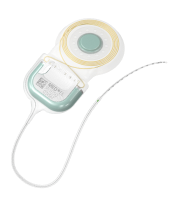

"I love my MED-EL individualized cochlear implant, and I am thankful every day for the hearing that MED-EL has made possible. For the first time in my life, my hearing is about discoveries and having 'wow' moments!”
Mary Beth
Cochlear Implant Recipient
More About Cochlear Implants



.jpg?auto=format&sfvrsn=327ddc41_3 "CI costs")


Success Stories From Our Cochlear Implant Users
Find out how a MED-EL cochlear implant has helped people hear.
-
AdultsCI SystemEnglish
Nandini
CI System
Watch Video
-
AdultsCI SystemEnglish

Russell
CI System
Watch Video
-
ChildrenCI SystemEnglish

Isla
CI System
Watch Video
-
TeensCI SystemEnglish

Chrisanta
CI System
Watch Video
The Next Steps
What can you expect next? Here’s an outline of the process of receiving a cochlear implant.
Assessment
First, you’ll undergo routine assessments to ensure you’re a candidate for a cochlear implant and look into whether there are any additional factors your cochlear implant team should consider. Your clinical team will walk you and your family through the specifics of what to expect in the following steps.
Implantation
To implant a CI, the surgical procedure is straightforward and usually lasts between 1–2 hours under either general or local anesthesia. Recipients are usually back on their feet the next day. Your hospital stay may last one or more days, depending on your individual needs and what’s typical in your area.
Activation
About four weeks after implantation, you’ll have your first fitting. This “activation day” is when your audiologist will turn on your audio processor for the first time and you’ll hear your first new sounds. The audio settings of your processor will be adjusted to fit your hearing preferences.
Rehabilitation
After activation, it’s important to follow up with a rehabilitation program so you can adapt to hearing through your cochlear implant. Rehabilitation is essential to make the most of your implant. It can be done together with speech-language professionals and at-home listening exercises.
Achieve Your Best Hearing
Find out how customized cochlear implants can help you hear your best. Request your brochure now, free of charge and with no obligation.
Frequently Asked Questions
Yes, cochlear implants can help people who are deaf hear. They are designed for people with severe-to-profound sensorineural hearing loss. With this level of hearing loss, hearing aids offer limited benefit. However, cochlear implants use a different type of technology that directly stimulates the auditory nerve.
Adults and children with severe-to-profound sensorineural hearing loss can be candidates for cochlear implants. Cochlear implants are suitable for people with single-sided deafness (unilateral hearing loss) as well as people with hearing loss in both ears (bilateral hearing loss). If you think you might be a candidate for a cochlear implant, reach out to your hearing professional for a medical and audiological evaluation.
Hearing aids work by amplifying sound—making sound louder. Cochlear implants use a completely different approach. They work by using electrical impulses to bypass damage in the inner ear and stimulate the auditory nerve. This makes them more suitable for people with severe-to-profound hearing loss.
Cochlear implant surgery is a routine, low-risk procedure that hundreds of thousands of people have undergone. It’s commonly performed as an outpatient procedure, with people returning home within a day or two. As with any surgery, there are potential risks which your care team can talk you through beforehand.
Hearing with a cochlear implant can sound different depending on the type of cochlear implant you have as well as individual factors, such as residual hearing and duration of hearing loss. But MED-EL’s cochlear implants are designed to offer closest to natural hearing, helping sounds feel fuller. You can read more about closest to natural hearing here.
Yes, MED-EL’s cochlear implants are approved and optimized for single-sided deafness (unilateral hearing loss). By using a cochlear implant on your deaf side, you can experience better speech understanding in noise and find it easier to tell where sounds are coming from. This can help you feel less isolated and improve your overall quality of life.
In the weeks after your CI surgery, you will get your cochlear implant activated for the first time. Your clinic will also arrange follow-up appointments so that they can fine-tune your fitting. You will also take part in auditory rehabilitation sessions to help your brain adapt to your cochlear implant and improve your hearing performance.

About Cochlear Implants
Find a Cochlear Implant Clinic Near You
Pros and Cons of Cochlear Implants
Cochlear Implant Surgery
How Do Cochlear
Implants Work?
What Does a Cochlear
Implant Sound Like?
Cochlear
Implants and MRI
Can I Enjoy Music With a Cochlear Implant?
Children's Cochlear Implants
Cochlear Implants for Single-Sided Deafness
Product Reliability
Data


