Sensorineural Hearing Loss: Symptoms, Causes, and Treatment
Sensorineural hearing loss (SNHL) is a type of hearing loss caused by damage to the cochlea or the auditory nerve. It affects how sound signals travel from the ear to the brain. This type of hearing loss can worsen gradually over time or occur suddenly. If you experience sudden hearing loss, you should seek treatment as soon as possible. Sensorineural hearing loss is often permanent, but there are a variety of treatment options, depending on the severity.
On this page, you will find information about the symptoms and causes of sensorineural hearing loss, how it’s diagnosed, the treatment options available, and the next steps you should take if you have this type of hearing loss.

Essential Info
- Sensorineural hearing loss (SNHL) affects the inner ear and/or auditory nerve.
- It often impacts speech understanding, especially in background noise.
- Common symptoms include muffled speech, trouble hearing high-pitched sounds, tinnitus, and listening fatigue.
- SNHL is often permanent, but treatment options such as hearing aids, cochlear implants, EAS, or other hearing solutions may help to restore the hearing.
- Sudden sensorineural hearing loss should be checked by a medical professional as soon as possible.
What Is Sensorineural Hearing Loss?
Sensorineural hearing loss is a type of hearing loss caused by problems in the inner ear (cochlea) or the auditory nerve. These problems affect how sound signals reach the brain. The inner ear contains tiny hair cells that are responsible for converting sound into nerve signals that are then sent to the brain. But when these cells are damaged or when the auditory nerve doesn’t work properly, sound signals can’t be sent to the brain effectively.
Watch: Sensorineural Hearing Loss Explained

How Sensorineural Hearing Loss Affects Hearing
The level of sensorineural hearing loss can vary from mild to profound. Individuals with profound hearing loss may be unable to hear even the loudest sounds. For individuals with milder hearing loss, the amplification a hearing aid can provide may be sufficient to enable them to hear.
Sensorineural hearing loss can make it particularly difficult to hear in noisy environments like restaurants, take part in group conversations, or communicate on the phone. The extra listening effort in these situations can lead to listening fatigue.
Another common type of hearing loss is conductive hearing loss:
| Conductive Hearing Loss | Sensorineural Hearing Loss | |
|---|---|---|
| Location | Outer or middle ear | Inner ear or auditory nerve |
| Common Causes | Blockage or mechanical issue such as earwax or fluid, anatomical malformation, stiffening of the middle ear bones, etc. | Damage to the hair cells or auditory nerve due to genetics, aging, noise exposure, illness, ototoxic medications, etc. |
| How It May Sound | Muffled, quiet but clear, blocked | Quieter, distorted and missing some frequencies |
| Treatment Options | Medical treatment, minor surgery, bone conduction implant, middle ear implant | Hearing aid, cochlear implant |

Symptoms of Sensorineural Hearing Loss
The symptoms of sensorineural hearing loss may include:
- Difficulty understanding speech, especially in background noise
- Frequently asking people to repeat themselves
- Feeling like others are mumbling
- Turning up the volume on the TV or phone
- Trouble hearing high-pitched sounds
- Tinnitus (ringing or buzzing in the ears)
- Listening fatigue
In children, signs of sensorineural hearing loss may include:
- Delayed speech and language development
- Difficulty following directions
- Short attention span or seeming easily distracted
- Not responding to soft sounds
- Struggling in school
This type of hearing loss can occur in one or both ears. Hearing loss in both ears is called bilateral hearing loss, and hearing loss in one ear is called unilateral hearing loss. If unilateral hearing loss is profound, it may also be referred to as single-sided deafness.
Sudden sensorineural hearing loss can develop anywhere from a few minutes to 72 hours. It is crucial to seek medical help immediately if you experience sudden hearing loss to have the best chance of regaining your hearing.

What Causes Sensorineural Hearing Loss?
Sensorineural hearing loss is caused by damage to the inner ear or auditory nerve. This damage can be the result of many different factors:
- If there is hearing loss in your family, your hearing loss could be genetic.
- Presbycusis is the term for hearing loss as a result of aging.
- Infections, ototoxic (toxic to the ear) medications, and injury or trauma to the head can also cause hearing loss.
- And yes, even exposure to loud noise can cause sensorineural hearing loss, which is why ear protection when enjoying loud music or at loud places of work is very important.

Is Sensorineural Hearing Loss Permanent?
Sensorineural hearing loss is often permanent, but it depends on the cause. Your level of hearing loss may remain stable, or it could worsen over time. Aging and continued exposure to loud noise are factors that can cause hearing loss to progress over time.
There is no cure for sensorineural hearing loss, but there are solutions that can be used to manage hearing loss and greatly improve your access to sound. Early evaluation and treatment are key to achieving the best possible hearing outcomes.

How Is Sensorineural Hearing Loss Diagnosed?
For a diagnosis of sensorineural hearing loss, an audiologist or ENT (ear, nose, and throat doctor) will need to perform hearing tests and a medical ear exam. At the appointment, you will likely:
- Discuss your symptoms and medical history
- Receive a physical examination of your ears
- Take a hearing test in a sound booth
- Take speech understanding tests
You will also receive an audiogram that shows the type and severity of your hearing loss. Understanding your audiogram can help you figure out the next steps to take on your hearing journey.

Sensorineural Hearing Loss Treatment Options
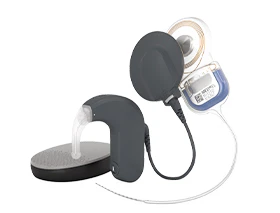
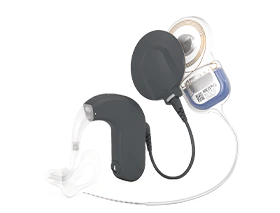
Treatment for sensorineural hearing loss depends on the cause and severity, as well as your ability to understand speech and hearing profile. If you have mild-to-moderate hearing loss, a hearing aid may be the best solution for you. If you have severe-to-profound hearing loss and hearing aids are no longer enough, a cochlear implant may be the right solution for you.
If you still have some low-frequency hearing that can be assisted with amplification but you have poor high-frequency hearing, an electric-acoustic stimulation (EAS) system could be ideal. This system combines the technology of a hearing aid for low frequencies and a cochlear implant for high frequencies.
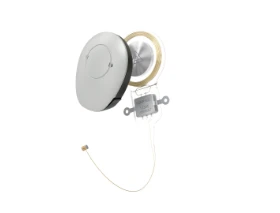
Alternatively, if your hearing loss falls in a specific range between the indications for a hearing aid and a cochlear implant or certain factors prevent you from being able to use a hearing aid, an active middle ear implant could help.
With the guidance of a professional who will consider both your audiogram and your individual needs, you can find the best solution for you.

Next Steps
For a quick assessment of how well you can hear and understand in everyday life, check out our online hearing tests. Online tests cannot replace professional assessment, so once you are ready to find a solution for your hearing loss, contact MED-EL or connect with a clinic near you.
We’re Here for You on Your Hearing Journey
Would you like to find out more about how MED-EL’s hearing solutions could help you or someone you care for? Simply fill out the contact form, and your local MED-EL office or partner will provide you with more information.
FAQs
Sensorineural hearing loss (SNHL) is a type of hearing loss caused by damage to the cochlea or the auditory nerve. It affects how sound signals are transmitted from the ear to the brain.
The symptoms of sensorineural hearing loss may include difficulty understanding speech—especially with background noise, turning up the volume on the TV or phone, trouble hearing high-pitched sounds, tinnitus, and listening fatigue.
Sensorineural hearing loss is caused by damage to the inner ear or auditory nerve. Causes include genetics, aging, infections, ototoxic medications, injury or trauma to the head, and exposure to loud noise.
Yes, exposure to loud noise can cause sensorineural hearing loss.
Most sensorineural hearing loss is stable, but it can gradually worsen over time, especially if it is age-related or noise-induced. If you notice sudden or significant changes, seek timely medical care.
Sensorineural hearing loss cannot usually be cured, but it can be treated to restore access to sound. Treatment options depend on the level of hearing loss and may include hearing aids, cochlear implants, EAS systems, and active middle ear implants.
Hearing loss in both ears is called bilateral hearing loss and is caused by damage to the inner ear (cochlea) or the auditory nerve.
Yes, cochlear implants can help restore access to sound for individuals with severe-to-profound hearing loss.

About Cochlear Implants
Find a Cochlear Implant Clinic Near You
Pros and Cons of Cochlear Implants
Cochlear Implant Surgery
How Do Cochlear
Implants Work?
What Does a Cochlear
Implant Sound Like?
Cochlear
Implants and MRI
Can I Enjoy Music With a Cochlear Implant?
Children's Cochlear Implants
Cochlear Implants for Single-Sided Deafness
Product Reliability
Data


