Types of Hearing Loss
Sometimes our hearing doesn't work the way it should. Hearing loss can affect one ear or both ears and can have many different causes.
There are four main types of hearing loss, and usually each type is treatable.

Conductive
Hearing Loss
Conductive hearing loss happens when sound can’t reach the inner ear. This could be due to damage in the middle ear, or obstructions in the outer or middle ear like ear wax, fluid, infections, or tumors. Birth defects like atresia and microtia can also cause conductive hearing loss.
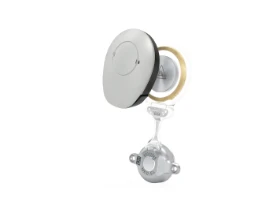
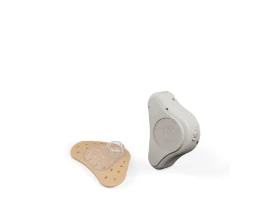
There are several options to help treat conductive hearing loss, including middle ear implants, bone conduction implants, and bone-anchored hearing aids. There are also non-surgical options like bone conduction hearing aids.

Solutions for Conductive Hearing Loss

Sensorineural Hearing Loss
When the hair cells of the cochlea are missing or damaged, this is known as sensorineural hearing loss. This can be caused by genetics, or it can be a result of head trauma, exposure to loud noise, or something else in the environment. Sensorineural hearing loss is also a common part of the aging process.
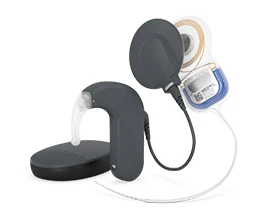
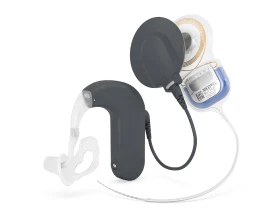
Sensorineural hearing loss has different treatment options depending on its severity, including cochlear implants and electric acoustic stimulation.

Solutions for Sensorineural Hearing Loss

Mixed
Hearing Loss
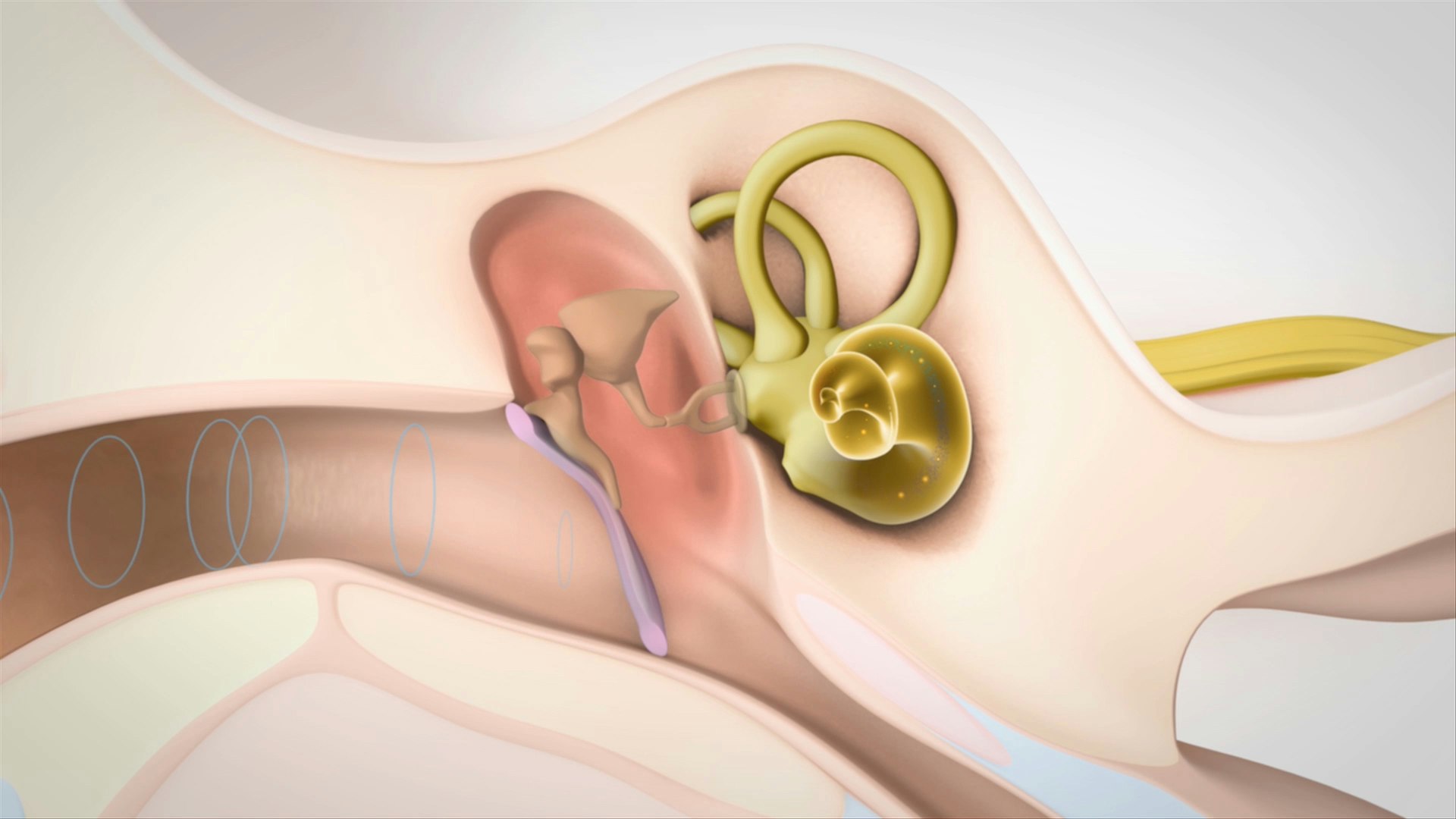
Mixed hearing loss is a combination of both sensorineural and conductive hearing loss. It results from problems in both the inner and the outer or middle ear.
Does this sound like your hearing loss?
Solutions for Mixed Hearing Loss

Neural
Hearing Loss
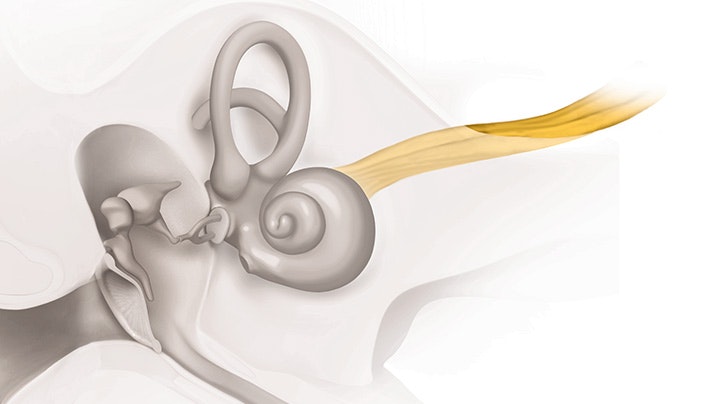
When the auditory nerve is damaged or missing, this is known as a neural hearing loss. Hearing aids and cochlear implants cannot help because the nerve is not able to pass on sound information to the brain.

Hearing Loss In-Depth
Learn more about different types of hearing and hearing loss with our in-depth guides. With topics like single-sided deafness, hearing loss in children, and bimodal hearing, you’ll get a deeper understanding of hearing loss solutions for you or your loved ones.




Contact Us
Have you or your child been diagnosed with a hearing loss? Do you want to talk to someone to better understand your options? Our team of hearing professionals is ready to answer any questions you may have to help you decide what is right for you.


