How Do Cochlear Implants Work?
Cochlear implants work by bypassing the damaged parts of the inner ear. They are designed to help people with severe or profound hearing loss access sound. Read on for a more in-depth overview of how cochlear implants work.

Cochlear Implant Essentials
- What is a cochlear implant? A cochlear implant is an electronic medical device designed to help people with severe or profound hearing loss access sound.
- How does a cochlear implant work? Cochlear implants work by converting sound into electrical signals that directly stimulate the auditory nerve.
- Who can a cochlear implant help? Cochlear implants help adults and children, including people with single-sided deafness or progressive hearing loss.
- How are cochlear implants and hearing aids different? Hearing aids amplify sound, whereas cochlear implants bypass damaged parts of the inner ear.

What Cochlear Implants Do (vs. Hearing Aids)
Cochlear implants are designed to restore hearing to people with severe-to-profound sensorineural hearing loss. In this type of hearing loss, the hair cells in the inner ear are damaged to such an extent that people can only hear very loud sounds, or even no sounds at all.
Cochlear implants work by using electronic signals to bypass these damaged parts of the inner ear. This lets both children and adults understand speech and access everyday sounds. Cochlear implants can help people with single-sided deafness or bilateral hearing loss.
Hearing aids work very differently to cochlear implants. Instead of using electronic signals, hearing aids amplify sound. This makes sounds louder, which helps people with mild or moderate hearing loss, but this amplification isn’t strong enough for more severe levels of hearing loss.
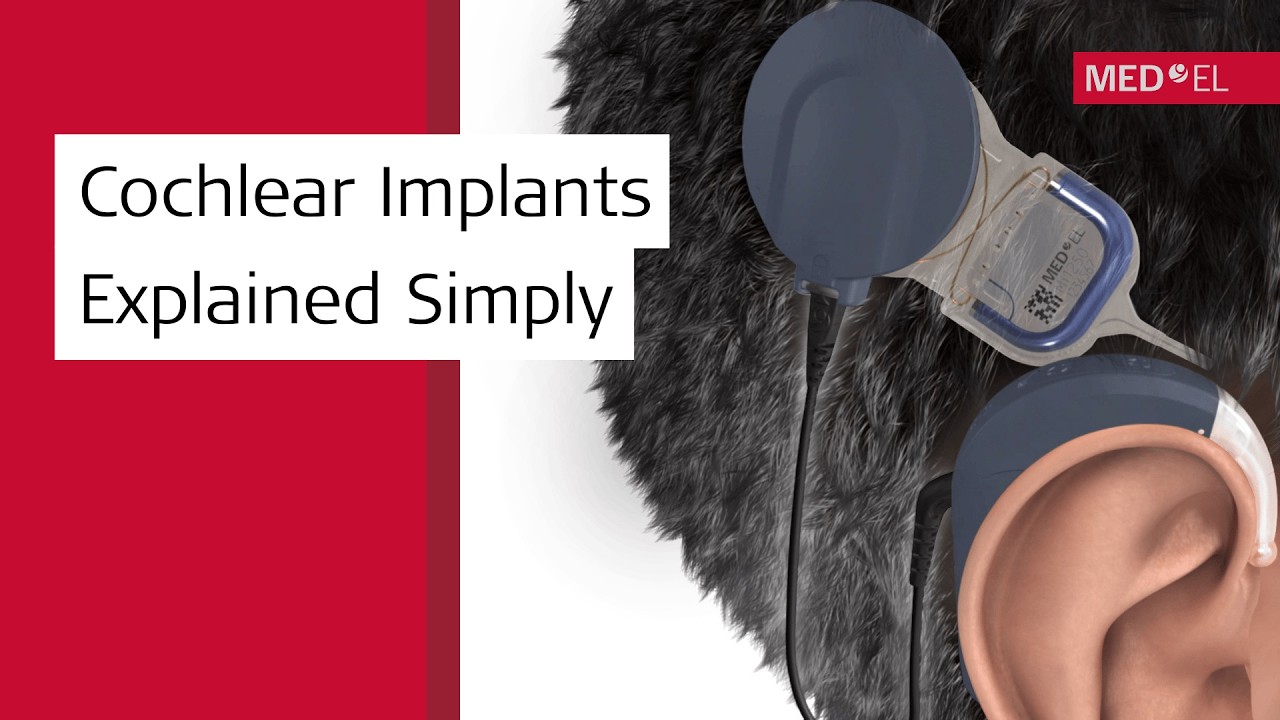
How Hearing With a Cochlear Implant Works
A cochlear implant works by picking up the sounds around you using an external microphone. The audio processor sends these sounds to the implant, which are converted to electrical pulses. These pulses stimulate the inner ear (cochlea), delivering sound signals directly to the auditory nerve.

Want to find out more about getting a cochlear implant?
Parts of a Cochlear Implant: Components Explained
A cochlear implant is made up of two main components. One is the audio processor, which sits behind or above the ear. The second is the implant itself, which sits under the skin and has an electrode array that stimulates the inner ear.
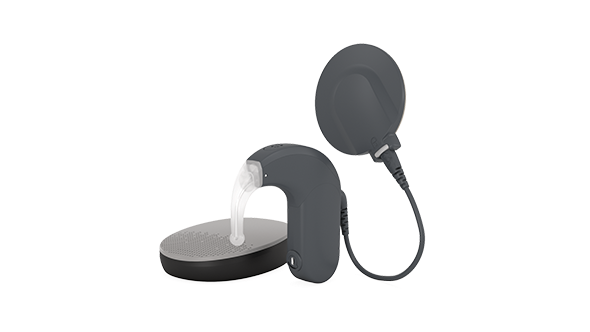
Audio Processor
- Sits behind or above the ear
- Picks up sounds with microphones
- Sends sounds to the implant
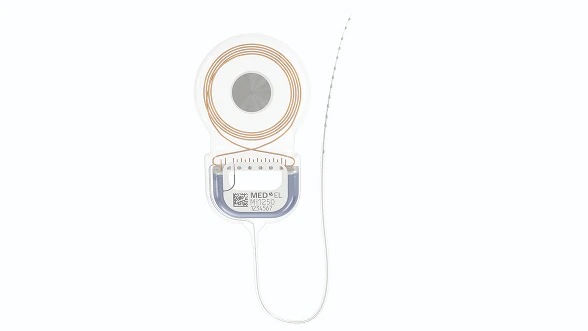
Implant
- Implanted under the skin
- Converts sounds to electrical pulses
- Stimulates the inner ear with an electrode array
How Sounds Travel Through a Cochlear Implant (Step by Step)
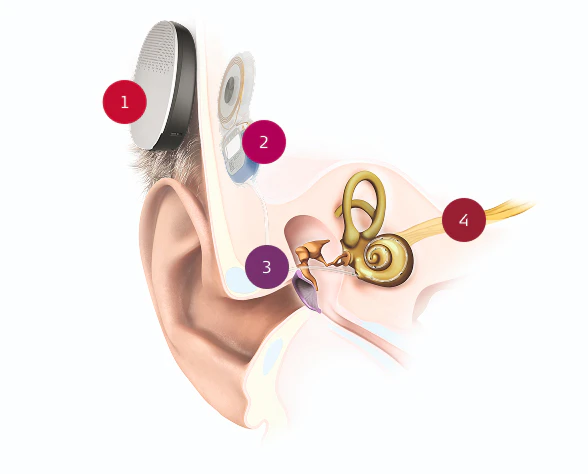
1
The Audio Processor
The microphones on the audio processor pick up sounds around you. These sounds are turned into electrical signals and sent through the skin to the implant.
2
The Implant
The cochlear implant changes these signals into electrical pulses and sends them along the electrode array.
3
The Electrode Array
The electrode array stimulates the part of the cochlea responsible for each pitch, mimicking the way hair cells work.
4
The Auditory Nerve
These pulses from the electrode array deliver sound directly to the auditory nerve. These are sent to the brain, where they are interpreted as sound.

How a cochlear implant is designed can have a big impact on sound. Our interactive guide explains everything.
Explore Our CI TechnologySteps to a Cochlear Implant
What can you expect next? Here’s an outline of the process of receiving a cochlear implant.
1
Assessment
First, you’ll undergo routine assessments to ensure you’re a candidate for a cochlear implant and look into whether there are any additional factors your cochlear implant team should consider. Your clinical team will walk you and your family through the specifics of what to expect in the following steps.
2
Implantation
To implant a CI, the surgical procedure is straightforward and usually lasts between 1–2 hours under either general or local anaesthesia. Recipients are usually back on their feet the next day. Your hospital stay may last one or more days, depending on your individual needs and what’s typical in your area.
3
Activation
About four weeks after implantation, you’ll have your first fitting. This “activation day” is when your audiologist will turn on your audio processor for the first time and you’ll hear your first new sounds. The audio settings of your processor will be adjusted to fit your hearing preferences.
4
Rehabilitation
After activation, it’s important to follow up with a rehabilitation programme so you can adapt to hearing through your cochlear implant. Rehabilitation is essential to make the most of your implant. It can be done together with speech-language professionals and at-home listening exercises.
We’re Here for You on Your Hearing Journey
Would you like to find out more about how MED-EL’s hearing solutions could help you or someone you care for? Simply fill out the contact form, and your local MED-EL office or partner will provide you with more information
More on Cochlear Implants