Cochlear Implant: Costs and Insurance
How much does a cochlear implant cost? Are cochlear implants covered by Medicare or public health systems? Will my health insurance cover the costs of the implant and the surgery? What if I need a second cochlear implant? Are rehabilitation costs covered? And what do I need to do to get a cochlear implant? Here you’ll find answers about costs, insurance coverage, and more.

Essential Info:
- Cost coverage: Cochlear implants are provided at no cost through public health services for eligible patients in all Australian states and territories.
- Untreated hearing loss is expensive: Not treating severe hearing loss costs much more than providing someone with a cochlear implant.
- Who gets a CI: Cochlear implants can be a solution for people with hearing loss for whom a hearing aid is no longer enough.
How Much Does a Cochlear Implant Cost?
In Australia, cochlear implants are often available at no or minimal cost for eligible patients. They are often less expensive overall than hearing aids. When hearing aids are no longer effective, Australians may be able to access cochlear implant services at little or no cost through public hospitals, private health insurance, DVA, or self-funding options.
A cochlear implant is the only medical device that can restore a physical sense and is typically used for many years.
There are several key reasons why many countries choose to cover the cost of implantation through their public health and insurance systems. Untreated hearing loss can have a significant impact on communication and quality of life, which is why early assessment is important. In Australia, the estimated yearly cost of untreated disabling hearing loss is around A$13,000 per affected person.

Interested in learning more about individualised cochlear implants?
Cochlear Implant Costs: An Overview
In Australia, the costs associated with cochlear implant surgery, devices and follow-up care can often be covered through public hospitals, private health insurance, DVA or other funding options. Private health insurance may cover some or all cochlear implant costs.
Please speak with your hearing professional about your specific funding eligibility for bilateral cochlear implants. Hearing with two cochlear implants has distinct advantages over hearing with one ear.
Private health insurance may cover hearing implant devices and some related costs. Coverage varies by fund and policy, so we recommend checking directly with your insurer about waiting periods, restrictions, audio processor upgrades or replacements, and any out-of-pocket expenses. Accessories like batteries and microphone covers may be supplied through Hearing Australia, NDIS or self-funded. (Your hearing professional can advise on what you are eligible to access.) If you have additional questions, please contact your insurance provider or your local MED-EL representative.

Other Services and Support
Additional support may be available for upgrades, accessories, and ongoing care through programs such as Hearing Australia or NDIS. Your hearing professional can advise on what you may be eligible to access. In New Zealand, the Ministry of Health funds cochlear implant services for eligible people. For assessment or hearing services, visit the Southern or Northern Cochlear Implant Programme, depending on your location.

Interested in learning more about individualised cochlear implants?
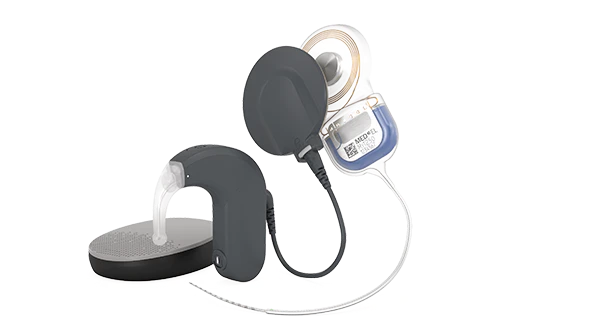
Getting a Cochlear Implant
Who qualifies for a cochlear implant? Only people who really need a cochlear implant get one. In other words, the main requirement for a cochlear implant is that even the strongest hearing aid is not effective enough.
If an examination by an ENT doctor shows that you have severe-to-profound inner ear hearing loss and a cochlear implant could be the right solution, the decision is up to you—seek professional advice, find out about the experiences of people with hearing implants, and involve your closest friends and relatives in the decision process.
Achieve Your Best Hearing
Find out how customised cochlear implants can help you hear your best. Request your brochure now, free of charge and with no obligation.
Read More