
MED-EL India
Do you or anyone you know have hearing loss? Find out how MED-EL India could help you in discovering the joy of hearing.
About MED-EL India
Nearly 40 years ago, MED-EL founders Dr. Ingeborg and Dr. Erwin Hochmair changed the world when they invented the modern micro electric multichannel cochlear implant. This high-tech device allowed people with profound hearing loss to not only hear but to speak, learn and communicate with their loved ones like never before.
MED-EL has been serving people with hearing loss since 1990, performing implantations in over 140 countries to date. In 2006, MED-EL established its 100% subsidiary in India. We have a network of clinics throughout the country with professionals who help choose the right hearing solution for you, so you can join the hundreds of thousands of recipients from more than 175 countries who can now hear thanks to a MED-EL device. You are at the start of an amazing hearing journey.
How Hearing Works
Step 1:
Outer Ear
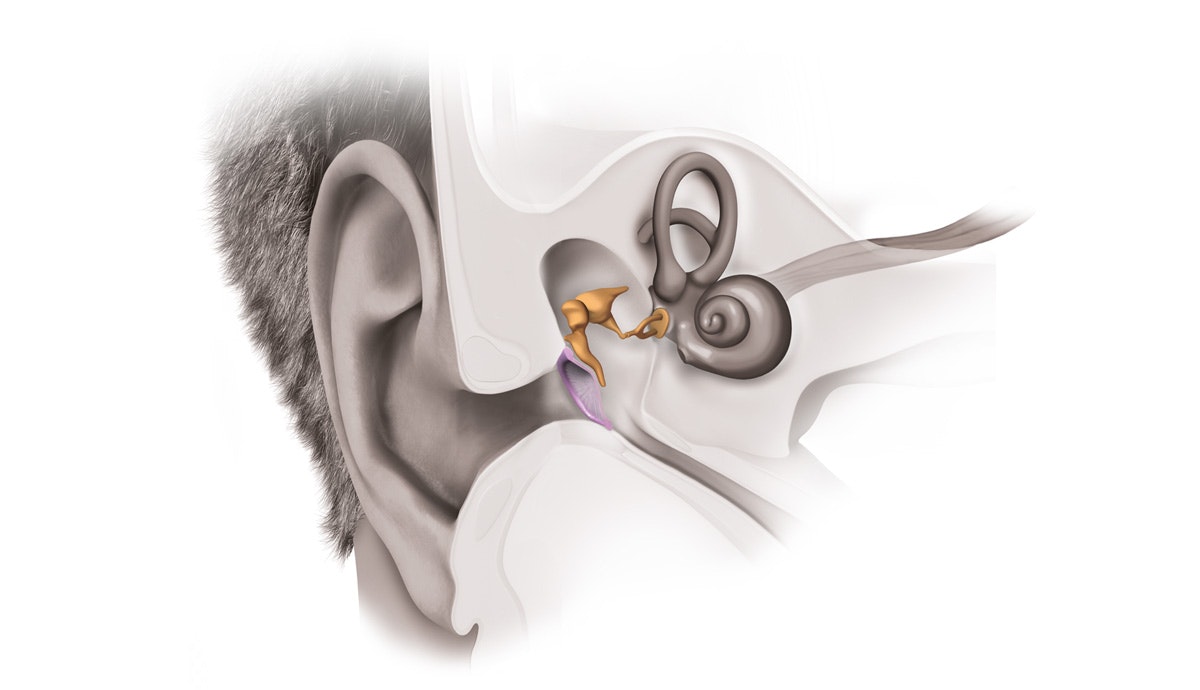
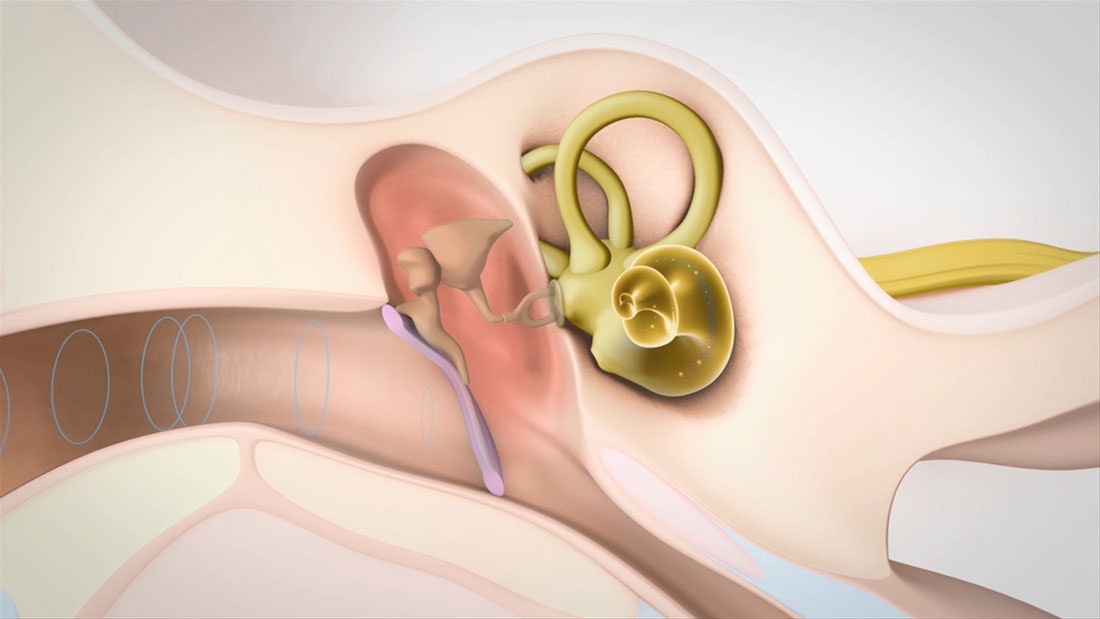
Sound waves, which are vibrations, enter through the outer ear and reach the middle ear to vibrate the eardrum.

Step 2:
Middle Ear
The eardrum then vibrates the ossicles, which are small bones in the middle ear. The sound vibrations travel through the ossicles to the inner ear.
Step 3:
Inner Ear
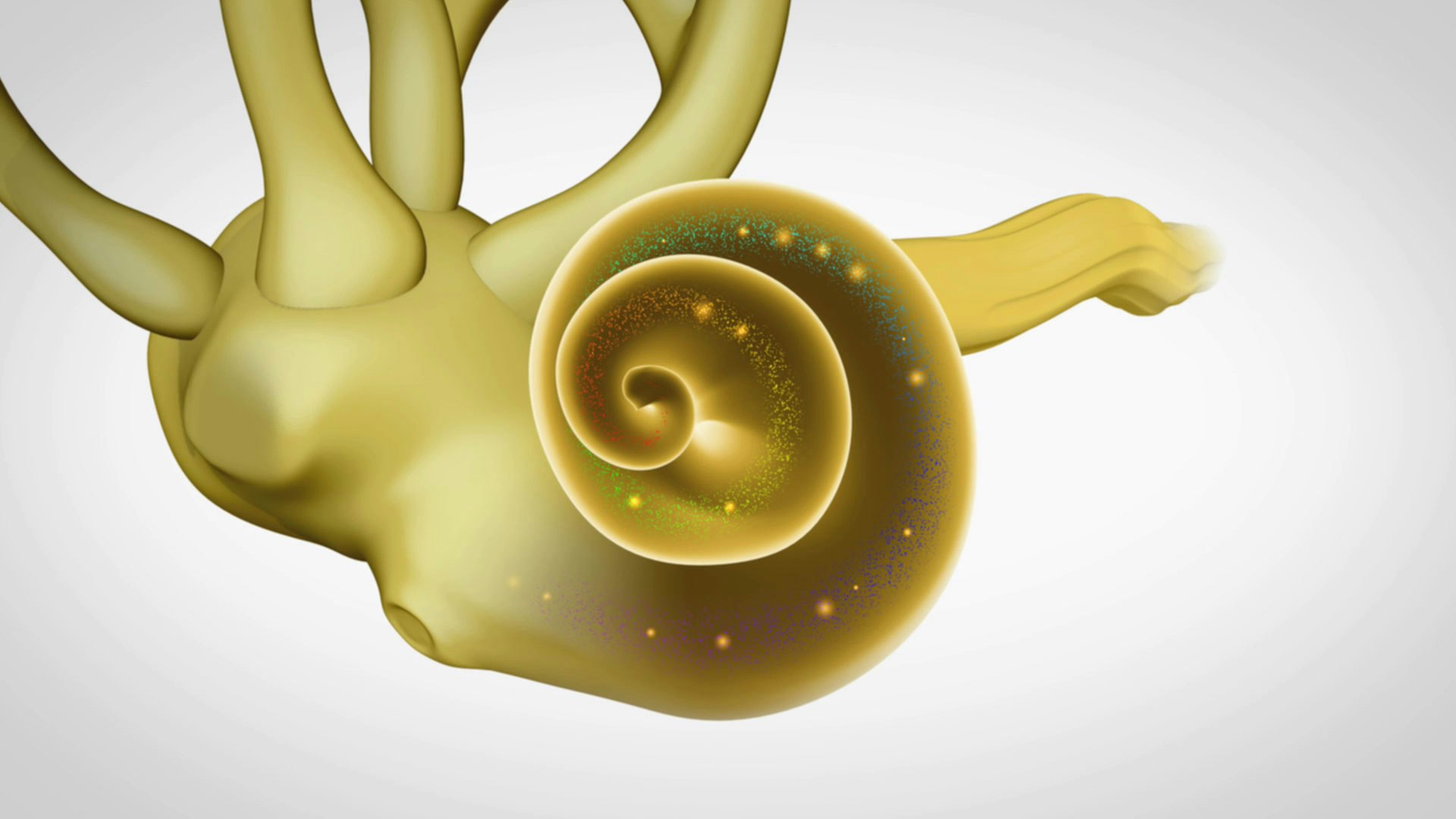
When the sound vibrations reach the cochlea, they push against specialized cells known as hair cells. The hair cells turn the vibrations into electrical nerve impulses.

Step 4:
Auditory Nerve
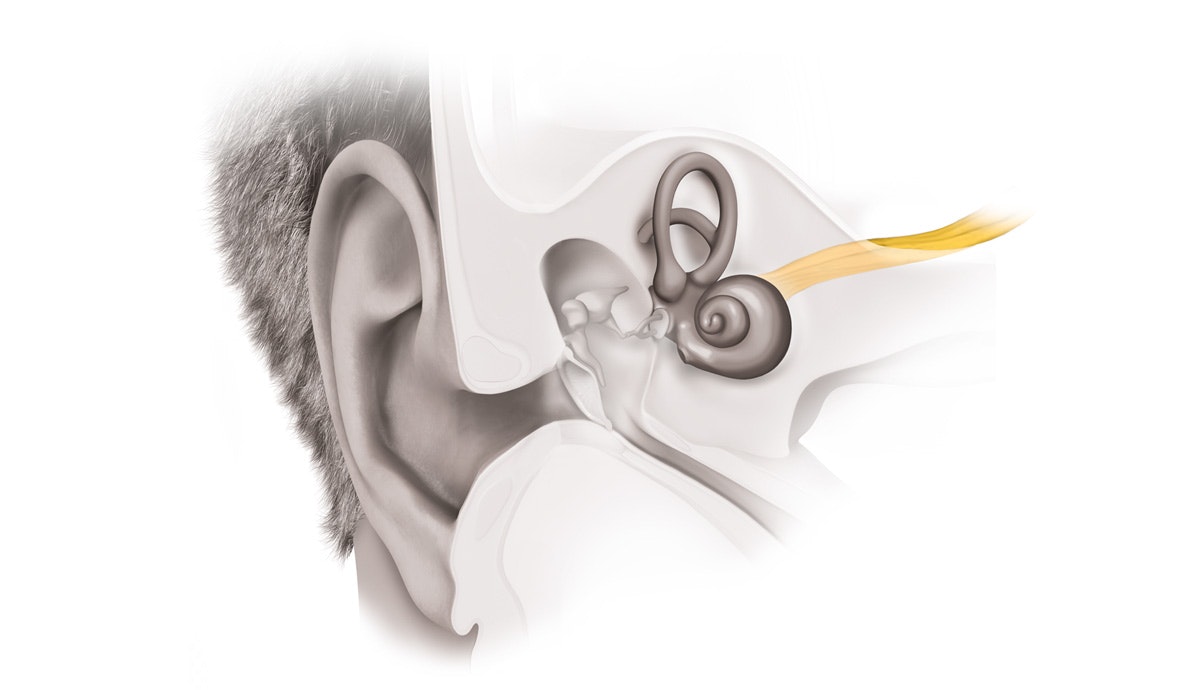
The auditory nerve connects the cochlea to the auditory centers of the brain. When these electrical nerve impulses reach the brain, they are experienced as sound.

Types of Hearing Loss
Sensorineural Hearing Loss
Conductive Hearing Loss
Mixed
Hearing LossNeural
Hearing Loss
Sensorineural
Hearing Loss
When the hair cells of the cochlea are missing or damaged, this is known as sensorineural hearing loss. This can have a genetic cause, or can be a result of head trauma, exposure to loud noise, or something else in the environment. Sensorineural hearing loss is also a common part of the aging process.
In many cases, however, a cochlear implant (CI) may be an option.
Conductive
Hearing Loss
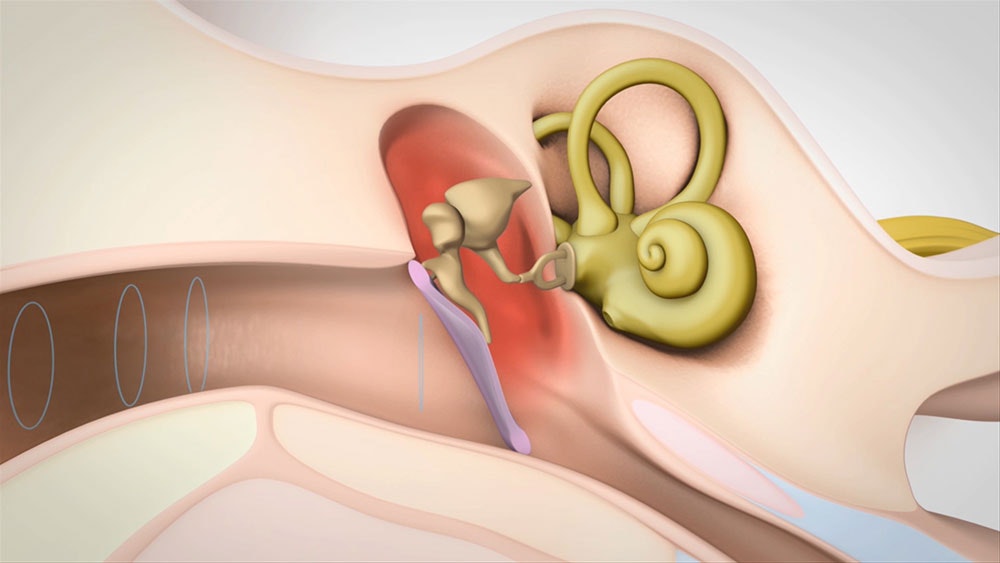
When the outer or middle ear cannot conduct sound properly, this is known as conductive hearing loss. It can be treated with a bone conduction device.
In many cases, however, an ADHEAR or BONEBRIDGE may be an option.
Mixed
Hearing Loss
Mixed hearing loss is a combination of both sensorineural and conductive hearing loss. It results from problems in both the inner and the outer or middle ear.
In many cases, however, a VIBRANT SOUNDBRIDGE may be an option.
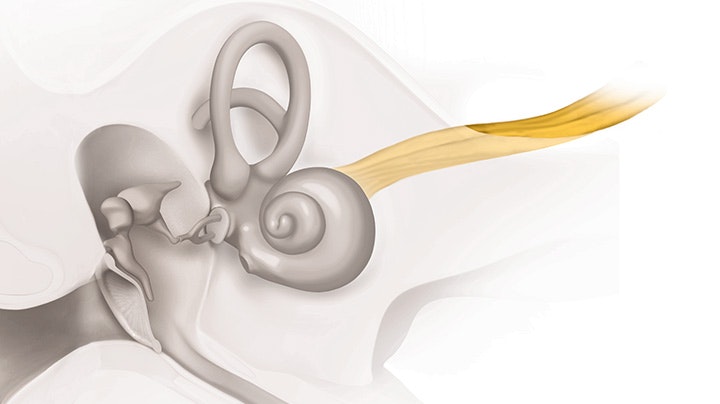
Neural
Hearing Loss
When the auditory nerve is damaged or missing, this is known as neural hearing loss. Hearing aids and cochlear implants cannot help because the nerve is not able to pass on sound information to the brain.
In many cases, however, an auditory brainstem implant (ABI) may be an option.
Solutions for Hearing Loss
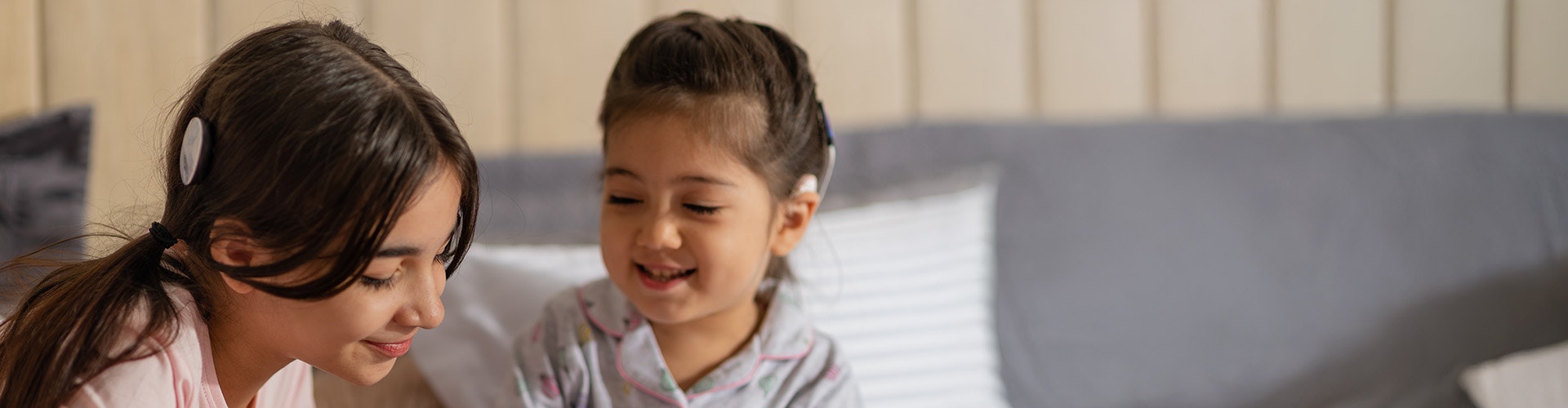
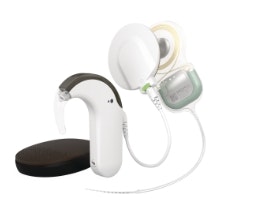
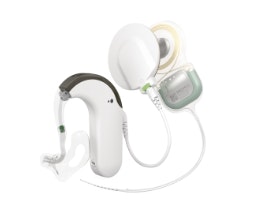
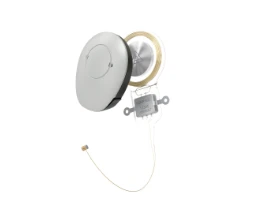
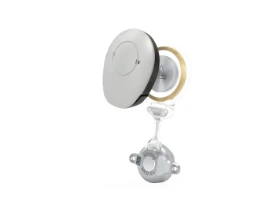
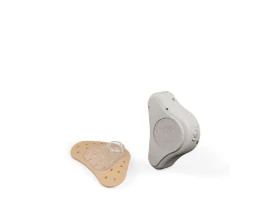
We have a variety of hearing solutions to cater to different types and degrees of hearing loss i.e., cochlear implant systems, electric acoustic stimulation systems, middle ear implant system, bone conduction implant system, and bone conduction hearing system.

FAQ section
Hearing implant systems help restore hearing to individuals who don’t receive sufficient benefit from hearing aids.
A hearing implant system is the combination of an internal implant and an external audio processor. There are different types of hearing implants—such as a cochlear implant, middle ear implant, or bone conduction implant—designed for different types of hearing loss.
Learn more about the different types of hearing implant systems.
Although both hearing aids and hearing implants are designed to improve an individual’s hearing, a hearing implant is fundamentally different from a hearing aid.
A hearing aid only amplifies sound from outside your ear, which may not be effective if you have more severe hearing loss.
A hearing implant brings the sound directly to the inside of your ear, which enables more effective transmission of sound signals. Hearing implants can help individuals who can’t benefit from hearing aids.
If you have moderate-to-profound hearing loss, you may be a candidate for a hearing implant. A hearing specialist will be able to tell you more about your specific circumstances. If you’d like to learn more about the right hearing solution for you, just get in touch using our contact form below and we’ll put you in touch with a hearing specialist in your area.
For children with severe-to-profound hearing loss, success is more likely if they are implanted at a young age. In a child’s first few years, the brain is especially ready to learn language and adapt to a hearing implant. In many cases, when children with profound hearing impairment are implanted early enough, their hearing and speech can develop in a manner similar to that of their peers without hearing loss.
Age of implantation is dependent on the individual patient and the advice of your doctor. If you have not consulted a hearing specialist yet, please fill out our simple contact form and we’ll help you get in touch with a hearing specialist in your area.
There is no age limit for receiving a hearing implant. Many of our recipients are older adults who have enjoyed a renewed quality of life after having their hearing restored.
Learning to use your restored sense of hearing is a process. Willingness to participate in rehabilitation programs to develop listening skills is important for candidates at any age.
Metal detectors or security screening devices will not affect the function of your implant. However, because the implant contains metal components, MED-EL will provide you with a recipient ID card to use at security checkpoints.
Yes, individuals with hearing implants can lead active lives with few restrictions. Your doctor or hearing professional is the best resource for individualized information.
We generally support and recommend the use of a helmet in situations where a helmet is normally used. It is important to protect the implanted area from a direct impact. Waterproof WaterWear covers should be used with the audio processor when taking part in water sports. Remove the audio processor before playing on plastic playground equipment that can generate high levels of static electricity.
MED-EL hearing implant systems are state-of-the-art, but new advances in sound processing and other technology are being developed all the time. With a simple fitting to update the external audio processor, you can upgrade to the latest technology without undergoing additional surgery.
These easy-to-upgrade systems allow MED-EL hearing implant users to take advantage of the latest innovations—both now and in the future.
If you’d like to learn more about receiving a MED-EL hearing implant system, fill out our simple contact form and we’ll put you in touch with a hearing specialist in your area. With a few routine assessments, your hearing specialist can find the right hearing solution for you.


"My quality of life has changed tremendously since my implant"

Connect With a Real User
Our Hearpeers Mentors are cochlear implant recipients and parents of recipients from around the world. They are ready to answer your questions about life with a hearing implant.

Free Hearing Evaluation
You or someone you care for may have already visited a hearing specialist. If you were given an audiogram and would like our experts to take a look, and see if one of our hearing solutions may help, simply click on the button below.
The Next Steps
What can you expect next? Here’s an outline of the process of receiving a cochlear implant.
- First, your audiologist and clinical team will need to determine if a cochlear implant is an option for your hearing loss. If you’d like help finding a cochlear implant audiologist near you, please let us know with the contact form below.
- If a cochlear implant is the right solution, the next step is implantation. This is a safe and routine surgery that takes about an hour or two. Your doctor may have you stay at the hospital for a day or two. You should be back to your daily routine after a few days.
- About two to four weeks after implantation, the implant can be activated. Your cochlear implant audiologist will program the implant for you and show you how to use everything. This is the first time you will be hearing with your implant.
- After activation, you will need to learn to understand sounds with your implanted ear. Daily listening exercises are very important to help maximize your benefit. These rehabilitation exercises can be done together with a hearing professional or at home.
Why MED-EL?
MED-EL is the global innovation leader in providing solutions for hearing loss. Our cochlear implant systems, electric acoustic systems, middle ear implant system and bone conduction systems have restored hearing to more than hundreds of thousands of individuals worldwide. Why do so many people choose MED-EL hearing solutions?
MRI Safety*
MED-EL’s cochlear implants can undergo MRI scans at 3.0 Tesla*, without the need for magnet removal.**
Advanced Technology
MED-EL has been leading the hearing implant world for over 40 years. From the latest sound coding to state-of-the-art electrode arrays, all our devices are designed to give you the best hearing possible.
Reliable Implants
With implants designed and made in Europe using decades of experience, MED-EL implants are built to give you years of reliable hearing.
Lifetime Support
Your implant will be with you for a lifetime, and MED-EL will too. Our outstanding support is always there for you, no matter how big or small the question.
* All MED-EL cochlear implants produced after 1994 are MR conditional and recipients may safely undergo a MRI scan following the conditions detailed in the implant instructions for use. The SYNCHRONY series implants and the Mi1260 SONATA 2 are MR conditional at 0.2., 1.0, 1.5 and 3.0 Tesla. All other MED-EL cochlear implants are MR conditional at 0.2., 1.0, and 1.5 Tesla.
** Unless required for diagnostic reasons. The SYNCHRONY series and the Mi1260 SONATA 2 feature a removable implant magnet.
MED-EL Clinics in India
There are MED-EL clinics all across India that can help you or your child hear again. Find a clinic near you.

Contact MED-EL India
Are you ready to start your hearing journey? Then MED-EL India is here to help. Simply get in touch using the form below and take your first steps to better hearing.
Address
MED-EL India Private Ltd.#505 Pragati House, 47-48 Nehru Place
110019 New Delhi
India


